When to replace your stylus
A worn needle quietly damages records — here's how to tell it's time.
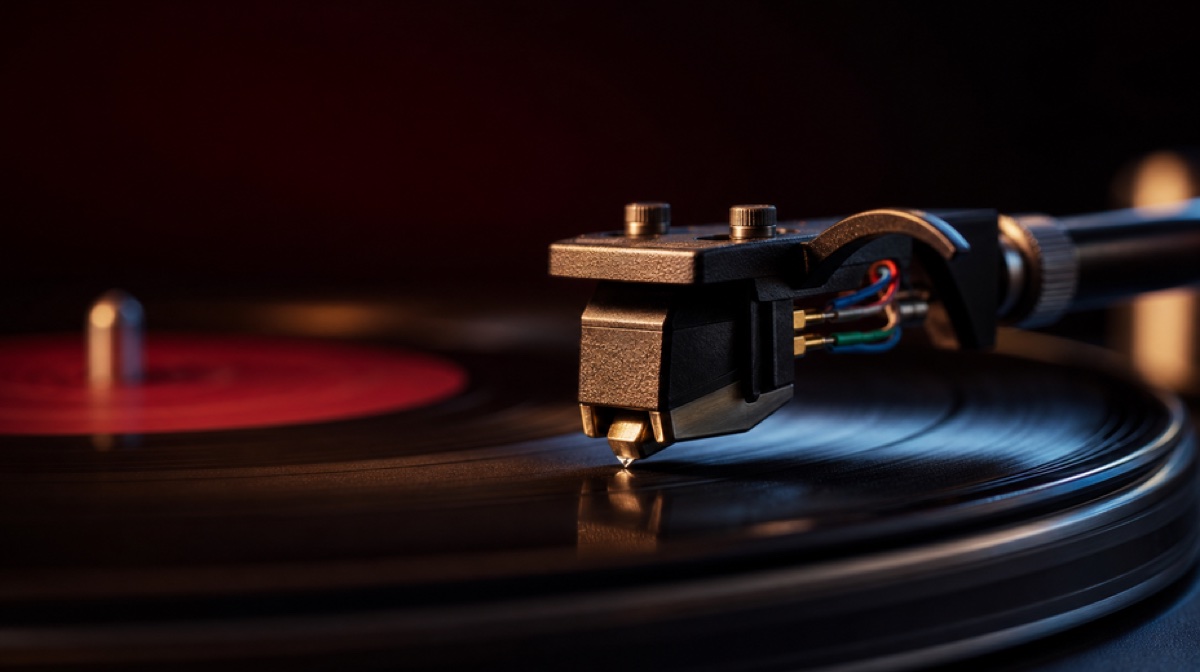
The stylus — the tiny tip that rides the groove — is the one part of playback that physically wears out, and a worn one doesn't just sound worse: it quietly damages every record you play. Because the decline is gradual, most people wait far too long. Here's how to tell when it's time.
Why a worn stylus is a hidden tax
A fresh stylus traces the groove cleanly. As the tip wears flat, it sits differently in the groove and starts grinding the groove walls instead of following them — adding permanent surface noise to records that were fine yesterday. The damage is cumulative and irreversible. So replacing a stylus on time isn't about audio fussiness; it's about protecting the value of everything in your collection.
The signs it's worn
Trust your ears first: rising sibilance (harsh "sss" sounds), new distortion on loud passages, or a generally hazy, fatigued sound across records you know well. Mistracking — the needle skipping or struggling in busy grooves — is a late, clear warning. A visible sign is dust clinging stubbornly to the tip even after brushing. Any one of these means inspect; two means act.
How long they last
As a rough guide, a typical conical or elliptical stylus is good for somewhere around 500 to 1,000 hours of playback — but that's hours, not years, and it shortens fast if you play dirty records or track too heavy. Keep the tip clean with a proper stylus brush, set tracking force to the cartridge's spec, and note roughly when you installed it. When in doubt, replace it: a new stylus is far cheaper than the records a worn one ruins. Keep your collection logged so you know what's worth protecting.
How to make a stylus last
Most of a stylus's life is won or lost in everyday habits. Play clean records — grit in the groove is sandpaper for the tip. Set the tracking force to the cartridge's spec with a simple gauge; too light and the needle skates and chatters, too heavy and it grinds itself down. Brush the tip gently from back to front with a proper stylus brush before a session, never with a finger. And cue records down with the lever rather than dropping the arm by hand. None of this is fussy audiophile ritual — it's the cheapest insurance your collection has.
Stylus or whole cartridge?
On many cartridges the stylus is a replaceable assembly that clips off the front, so you swap just the tip for a fraction of the cost. Higher-end cartridges sometimes require replacing the whole unit. Check your model before you buy, match the exact replacement, and you'll restore clean playback — and stop adding wear to records — in a couple of minutes.